
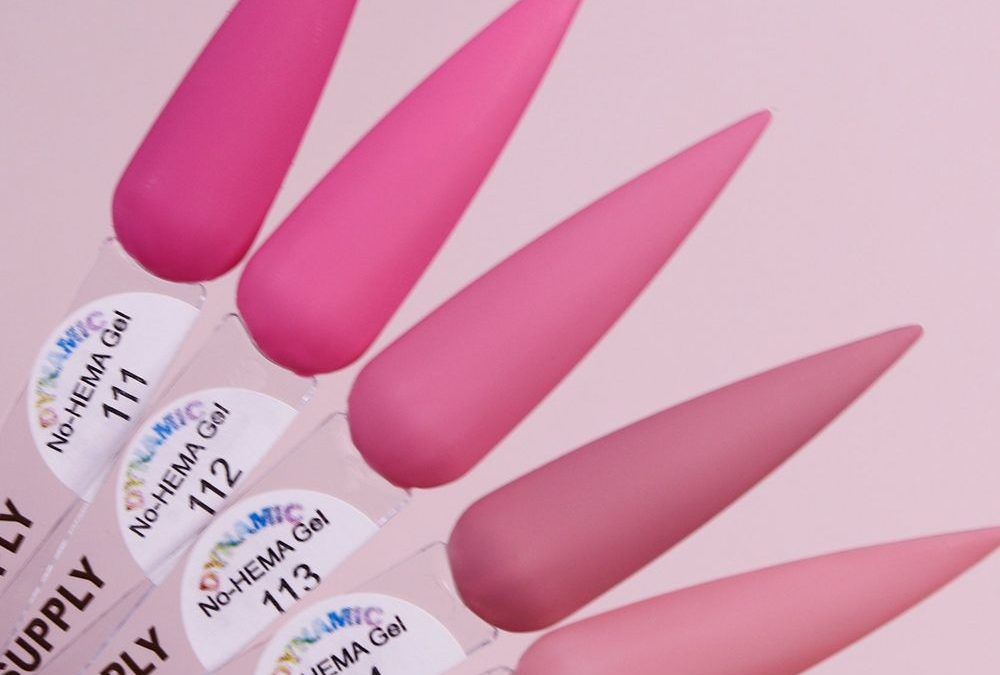
if you remember only one thing: for a wedding mani, keep the pinks soft, the finish glossy, and choose shades that read elegant in photos and close-up vows. This piece walks you through matching the pale and baby pinks from the Dynamic No-HEMA Gel Polish – Color 111 to 120 palette to different bridal styles, plus a few two-shade designs and application notes so the result lasts through rehearsal, ceremony, and toasts.
1. Which pale and baby pinks suit what wedding style
- Classic chapel or church ceremony: pick the palest baby pinks from the middle of the set for a barely-there blush that complements lace and satin. These shades read timeless and photography-friendly.
- Garden or outdoor wedding: favor the warm pale pinks with a whisper of peach; they harmonize with green backdrops and daylight without clashing.
- Modern city or rooftop elopement: choose a mid baby pink—clean, crisp and polished—to give a contemporary manicure that still reads bridal.
- Boho or relaxed beach affair: the soft baby pink and the pale pastel in the set make for a milky, understated mani that fits woven fabrics and barefoot vows.
- Evening formal: opt for slightly deeper dusty-rose or mid pink as your main shade, then use a pale baby pink for accents to keep it bridal but camera-ready under warm lights.
2. Assigning color roles from this warm-pink gradient
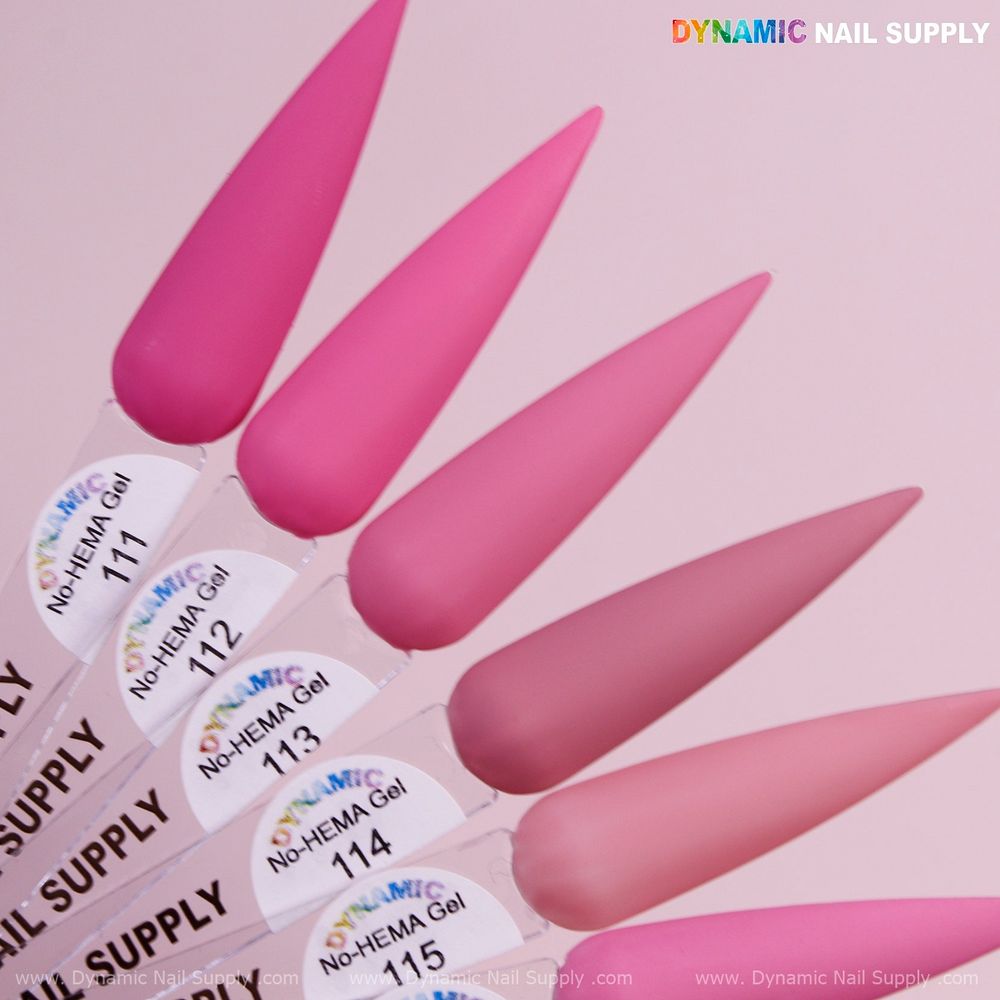
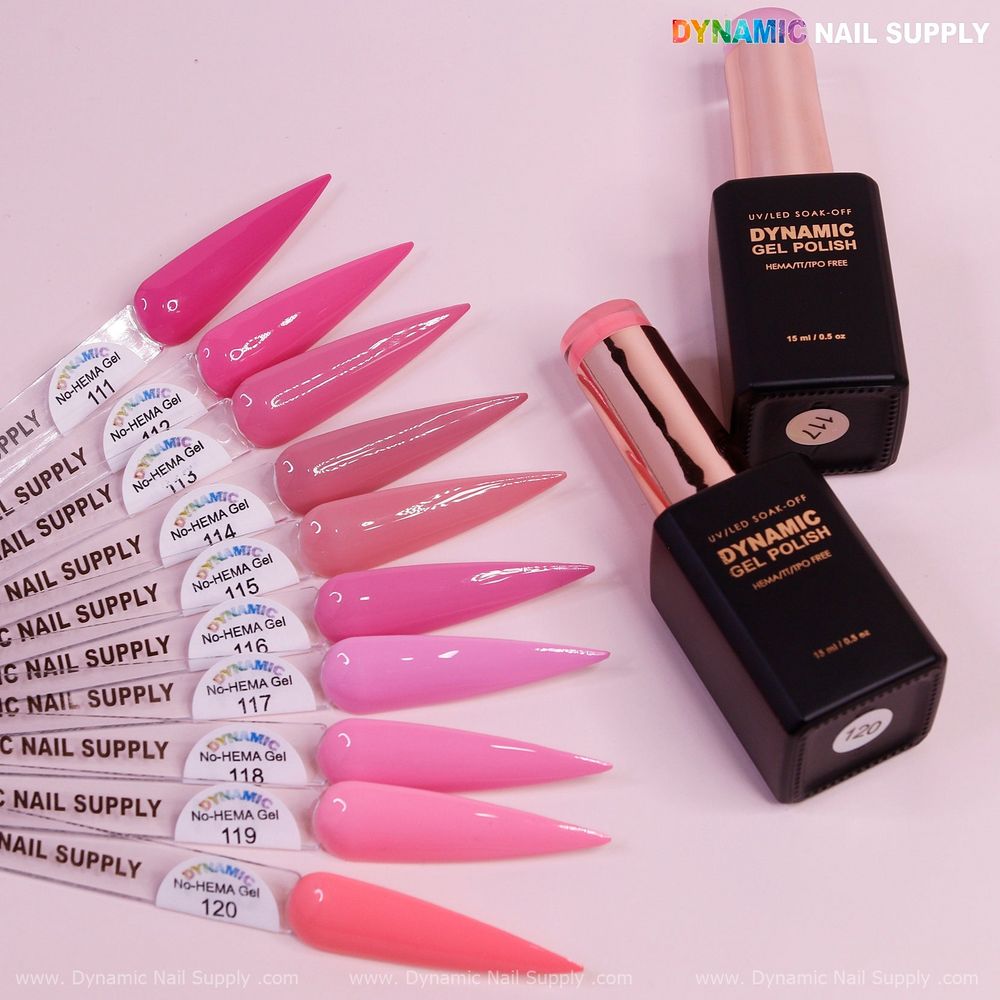
Think in roles instead of names: Base, Accent, and Pop. The ten- shade cream gradient runs from intense fuchsia down through warm pinks to coral-peach. For bridal-friendly work you’ll generally pick two roles.
- Base (main nail): choose a pale or baby pink cream that sits close to the nail bed color—subtle and soft.
- Accent (ring or thumb): use a slightly deeper pink for contrast without stealing focus.
- Pop (if needed): a vivid fuchsia can be a single accent tip or micro-dot if the bride wants a playful wink; keep it minimal.
3. Three simple two-shade bridal looks
- Soft Classic: pale baby pink on all nails with one dusty rose accent nail. Keep edges even and the surface high-gloss. Great for traditional gowns.
- Blush Ombre Accent: pale pastel pink base with a medium rose-pink gradient on the ring finger only. Use thin layers to blend; the set’s high pigmentation means one to two thin coats often do the trick.
- Subtle Pop: all-over pale pink with tiny vivid fuchsia crescent at the cuticle on two nails. The fuchsia read as playful but restrained when used sparingly against creamy pale pink.
4. Application notes for durable, high-gloss bridal finish
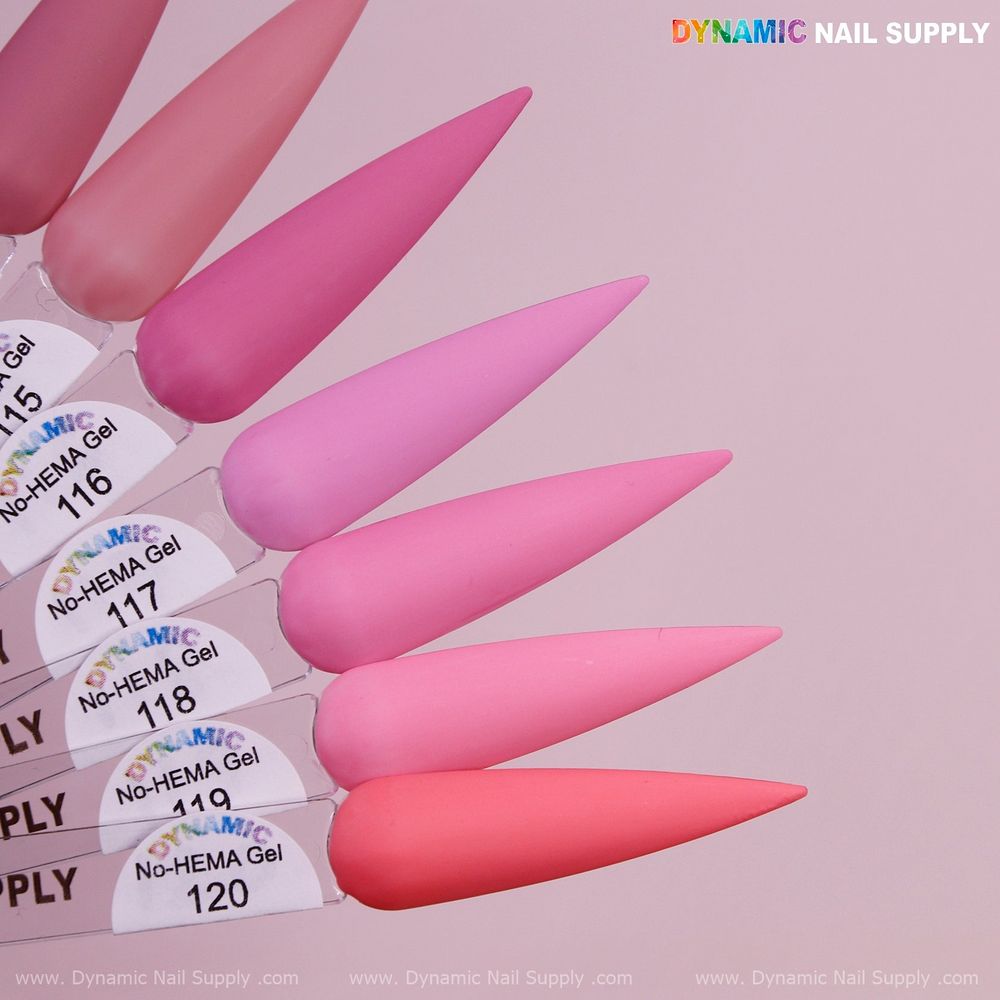
These gels are cream, thick-pigment polishes presented in 15ml bottles and cure in 60–120 seconds under UV/LED. The formula is HEMA-free, which many clients ask about; that detail influences client conversation but does not change how you apply.
- Prep: brief, clean prep is still essential—lightly push cuticles, remove oils, and buff the nail plate to a consistent matte film so the thick base lays flat.
- Film control: the polish has a thicker base. Load the brush sparingly and use one controlled, even stroke from cuticle to tip for thin, uniform layers.
- Layering: with highly pigmented creams you often need only one thin coat for coverage on pale shades; if you layer, keep films thin to avoid pooling at the cuticles and to ensure even cure.
- Curing: follow the 60–120s UV/LED window—shorter cures for thin films, longer for thicker coats or full-coverage passes.
- Topcoat and sheen: finish with a glossy salon topcoat and a final cure to match the high-gloss look shown on the long stiletto swatches; this preserves shine through photos and receptions.
- Edge sealing: wrap the free edge with both color and topcoat to reduce chips during celebratory toasts and dancing.
5. Styling by nail shape and length
- Short nails: pick the palest baby pink as an all-over shade to visually lengthen digits.
- Squoval or almond: medium baby pink on most nails with a pale accent looks polished and modern without competing with a statement dress.
- Long stiletto (photo-forward): use the palette’s gradient qualities—fade from pale at the base to a warm coral-peach tip for dramatic bridal images; the product photos show this palette on long stiletto tips for reference.
6. Spotlight: No-HEMA Gel 111
No-HEMA Gel 111 sits at the warm end of the palette as the most vivid fuchsia visible in the set photo. Use it sparingly for bridal services: a single-dot accent, edge tip, or as part of a monochrome ombré when the bride asks for a touch of bold. Its cream, high-gloss finish pairs well against the softer baby and pale pinks in the collection and provides striking contrast on long shapes.
7. Quick safety and handling reminders
- Keep products and brushes away from direct heat and sunlight during storage.
- Work with good ventilation and avoid skin contact when applying; wipe any stray gel from the skin before curing to prevent irritation.
- Follow manufacturer cure times and label directions for best results and bond.
8. Wedding-day checklist for the mani service
- Confirm dress style and photos timing to match sheen level and shade choice.
- Decide on two shades max for bridal restraint; prepare a tiny fuchsia accent option if the bride wants a playful note.
- Plan service timing to allow a full cure and topcoat polish with edge sealing.
- Advise the bride on gentle hand care: avoid long exposure to hot water for the first 24 hours and use cuticle oil nightly.
For pricing context: bottles from this set list at $8 each but prices may change. If you want the exact bottle used for accents and swatches, check here https://dynamicnailsupply.com/products/dynamic-no-hema-gel-polish-color-111-to-120
Recap:
- Pick a pale or baby pink as your main shade and a slightly deeper pink for accents.
- Use thin layers, follow 60–120s cure times, and seal edges for durability.
- Reserve vivid fuchsia (No-HEMA Gel 111) for tiny, intentional pops.